Best Cast Iron Skillet for Steak
Last updated: February 16, 2026 · 3 min read
Cast iron is the best way to cook steak at home — full stop. The heat retention creates a crust that no non-stick pan can match, and the ability to go from stovetop to oven in one pan makes reverse-sear steak genuinely achievable for home cooks. Here's which pan to buy and exactly how to use it.
Our Top Picks
Why Cast Iron Beats Every Other Pan for Steak
Steak requires high sustained heat. When you drop a room-temperature steak into a pan, the pan's temperature drops immediately — and how quickly it recovers determines whether you get a gray steam-cooked exterior or a deep brown, Maillard-reaction crust.
Cast iron has exceptional heat retention. Once it's hot, a steak barely affects its temperature. The pan recovers instantly, maintaining the surface heat needed for a proper sear. Stainless steel and non-stick pans lose heat too quickly. Carbon steel is comparable but harder to find and more expensive. Cast iron is the best material for steak, and the Lodge 12-inch is the right pan.
The Best Pan: Lodge 12-Inch Cast Iron
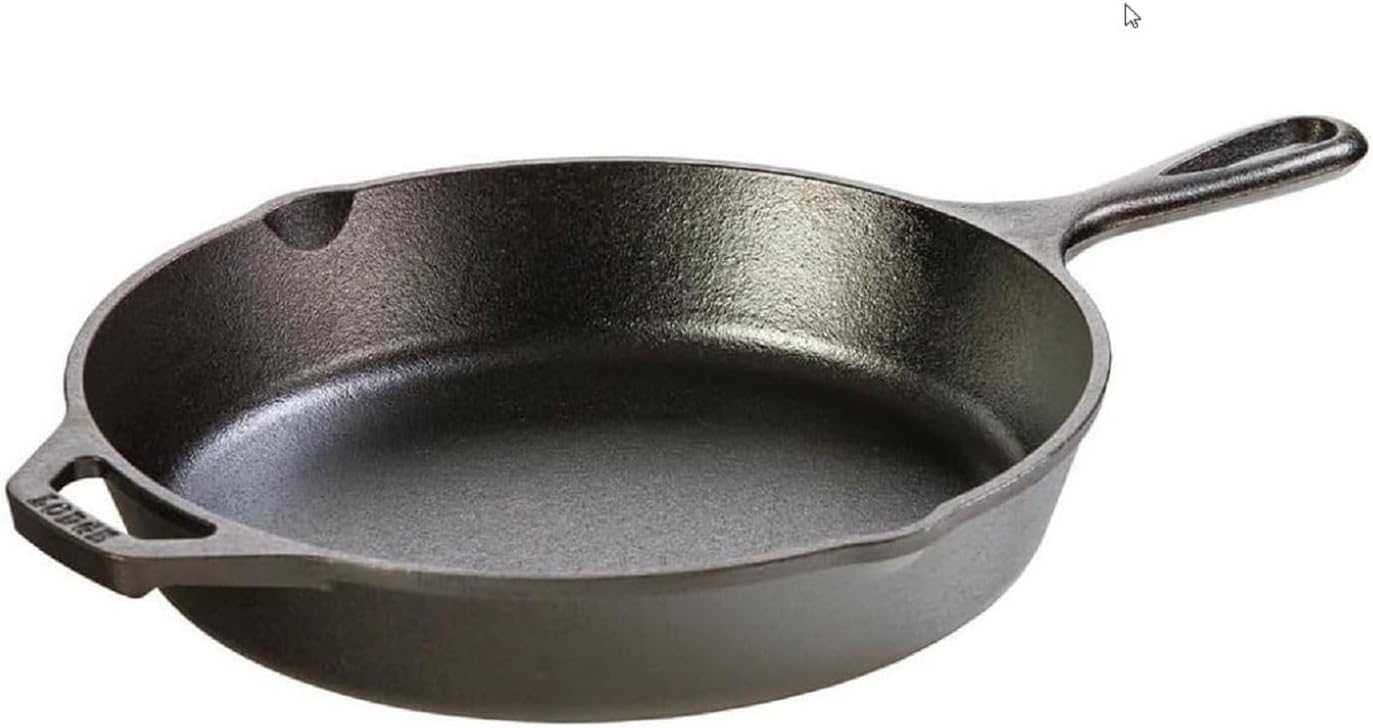
The Lodge 12-inch cast iron skillet is the definitive steak pan for home cooks. At $25, it costs less than most cooking school classes that would teach you the same technique. The 12-inch diameter fits two steaks with room to baste — the minimum for comfortable cooking.
The pre-seasoned surface works immediately out of the box. The short and long handle design lets you tilt the pan for basting while maintaining control. Lodge has made this pan in Tennessee since 1896, and nothing about the design needed improvement.
The Perfect Cast Iron Steak: Step by Step
The method that produces a steakhouse crust every time:
Dry brine: Salt your steak generously on all sides 1-24 hours before cooking. Leave uncovered in the fridge. This draws moisture out and then back in, creating better browning.
Prep: Pull steak from fridge 30-45 minutes before cooking. Pat completely dry with paper towels — surface moisture is the enemy of browning.
Heat: Put the dry cast iron skillet over high heat for 3-5 minutes until it's smoking. Add a high-smoke-point oil (avocado, grapeseed) just before the steak.
Sear: Place steak in pan. Don't touch it for 2-3 minutes. Flip. Add butter, smashed garlic, and thyme. Tilt pan and baste continuously for the final 2 minutes. Pull at 125°F internal for medium-rare. Rest 5 minutes before cutting.
Reverse Sear: The Method for Thick Steaks
For steaks 1.5 inches or thicker, the reverse sear produces more even cooking edge-to-edge. Instead of searing first, you finish in the pan.
The process: Season the steak, place on a wire rack over a sheet pan, and bake at 250°F until the internal temp reaches 115°F (about 45-60 min for a 1.5-inch ribeye). Then blast the cast iron over maximum heat for 5 minutes and sear 60-90 seconds per side. The result: perfect edge-to-edge medium-rare with a dark, crackling crust.
The cast iron's role is the same — maximum retained heat for maximum sear — but the lower-temperature oven phase gives you perfect internal doneness first.
Frequently Asked Questions
What size cast iron is best for steak?
12 inches is ideal. It fits two steaks comfortably with space between them (critical for browning — crowded pans steam instead of sear) and is large enough for basting. A 10-inch works for one steak; a 10-inch pan with two steaks creates the steaming problem. Buy the 12-inch Lodge.
How do you clean cast iron after cooking steak?
While the pan is still warm (not hot), rinse with hot water and scrub with a stiff brush or chain mail scrubber. The fat from the steak makes cleanup easier than most cooking. Dry immediately on the stovetop over low heat for 2 minutes. Apply a thin layer of oil. Stored properly, the steak fat actually improves your seasoning.
Can I cook steak in a cast iron without smoking up my kitchen?
High-heat steak cooking creates smoke — that's physics. Minimize it: use a well-ventilated kitchen with the hood fan on maximum, open windows if possible, and use a high-smoke-point oil (avocado oil smokes less than butter at searing temperatures — add butter only in the last 2 minutes). The smoke is worth the crust.