Best Cast Iron Skillet for Beginners
Last updated: February 13, 2025 · 4 min read
A cast iron skillet is the single most versatile piece of cookware you can own. It sears steaks better than any non-stick pan, goes from stovetop to oven seamlessly, and will literally outlive you. The problem? Beginners overthink it. You don't need a $200 artisan skillet. You need a Lodge, some basic care knowledge, and the willingness to cook with it. Here's everything you need to know.
Our Top Picks
Why Cast Iron Is Worth the Hype
Cast iron does three things that no other pan material matches. First, heat retention — once it's hot, it stays hot, which means better sears and more consistent cooking. Second, versatility — sear a steak on the stovetop, finish it in the oven, bake cornbread in it, even use it over a campfire. Third, longevity — a well-maintained cast iron skillet lasts generations. Your great-grandmother's skillet still works perfectly. Try saying that about a non-stick pan.
The "seasoning" that scares beginners is just polymerized oil that creates a natural non-stick surface. It builds up over time with regular use. Cook bacon in it a few times and you're halfway there.
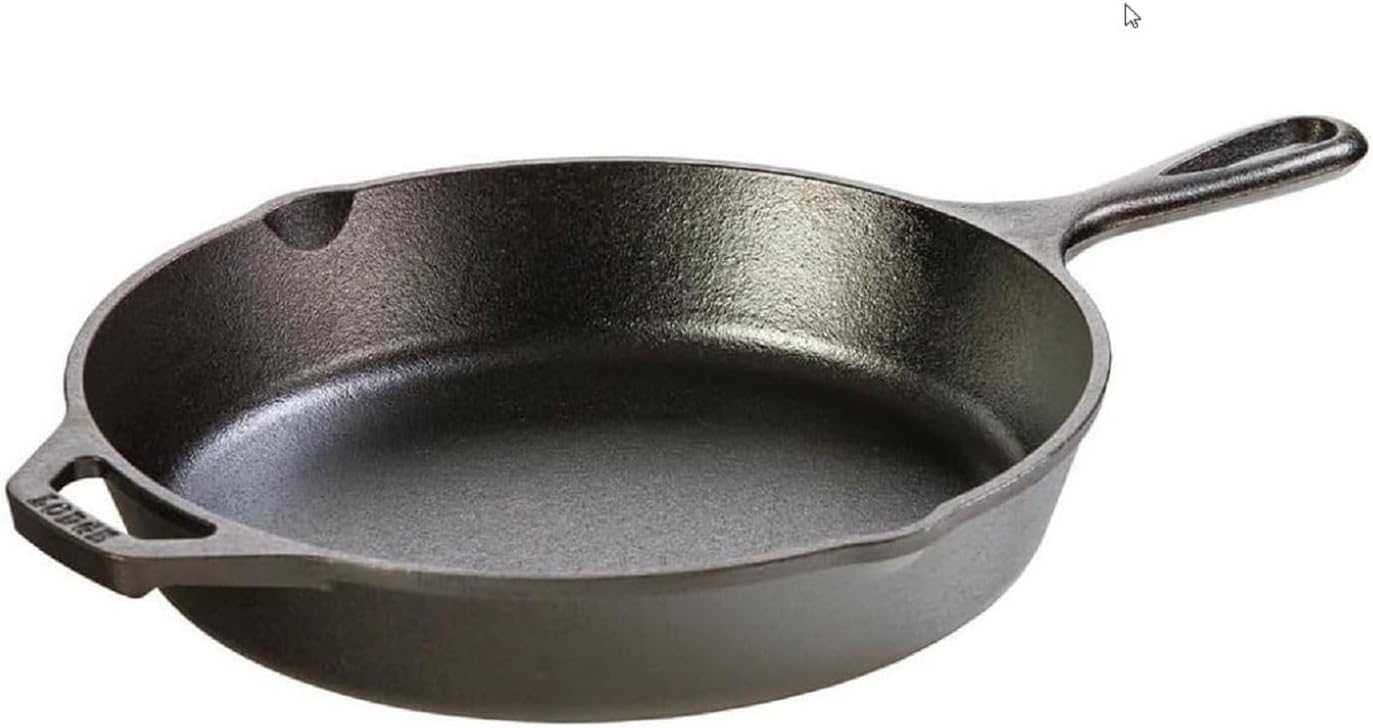
Our Pick: Lodge 12-Inch Pre-Seasoned Skillet
The Lodge 12-inch cast iron skillet is the default recommendation for a reason. It comes pre-seasoned with vegetable oil so you can cook on it immediately — no seasoning ritual required. At around $25, it costs less than most non-stick pans that'll be in a landfill in two years.
The 12-inch size is the sweet spot. Big enough to sear two steaks or cook a full breakfast, but not so massive that it's unwieldy. It weighs about 8 pounds, which feels heavy at first but becomes normal fast. Made in South Pittsburg, Tennessee since 1896. Over 98,000 Amazon reviews with a 4.7-star average. This isn't a gamble — it's a sure thing.
Cast Iron Care: It's Easier Than You Think
Here's the care routine that intimidates people, demystified into 60 seconds:
After cooking: Rinse with hot water while the pan is still warm. Use a stiff brush or chain mail scrubber to remove stuck food. Dry it completely with a towel — this is the most important step because water causes rust. Apply a thin layer of cooking oil with a paper towel. Done.
What NOT to do: Don't soak it in water. Don't put it in the dishwasher. Don't use soap regularly (occasional mild soap is fine despite what purists say — it won't strip modern seasoning). Don't store it wet.
That's it. The entire maintenance routine takes less time than loading a dishwasher.
Best Beginner Recipes for Cast Iron
Start with these five recipes to build your seasoning and confidence simultaneously:
Smash burgers — high heat, press thin patties into the pan, flip once. The crust is unreal. Pan-seared chicken thighs — skin-side down for 7 minutes, flip, finish in a 400°F oven. Crispy skin every time. Skillet cornbread — preheat the pan with butter, pour in batter, bake at 425°F for 20 minutes. Fried eggs — once your seasoning is decent (after 10-15 uses), eggs slide right out. One-pan fajitas — sear peppers and onions on high heat, add sliced steak. Ten minutes, one pan, zero cleanup stress.
The pattern: high heat + fat = great food and better seasoning. Every meal makes the pan better.
Cast Iron vs Non-Stick: When to Use Each
Cast iron wins for: searing meat, baking, anything that goes stovetop-to-oven, high-heat cooking, and any recipe where a crust or char matters. It's also better for cooking acidic foods once the seasoning is established.
Non-stick wins for: delicate fish, crepes, eggs (until your cast iron seasoning matures), and anything where you want zero cleanup effort. Non-stick is the convenience play.
The honest answer: own both. A Lodge cast iron and a cheap non-stick handle 95% of home cooking. But if you could only keep one pan forever, cast iron wins — because it literally lasts forever.
Frequently Asked Questions
Do I need to season a new Lodge cast iron skillet?
No. Lodge skillets come pre-seasoned with vegetable oil and are ready to use out of the box. The seasoning will improve with every use. Just start cooking — fatty foods like bacon, burgers, and sautéed vegetables are great for building up the initial seasoning layer.
Can you ruin a cast iron skillet?
It's almost impossible to permanently ruin cast iron. Rust, stuck food, and stripped seasoning are all fixable. Worst case, you scrub it down to bare metal with steel wool and re-season it from scratch (coat with oil, bake at 450°F for an hour). The only way to truly ruin one is to crack it, which requires extreme thermal shock — like plunging a red-hot pan into ice water.
What size cast iron skillet should a beginner get?
12 inches. It's the most versatile size — large enough for family meals, steaks, and one-pan dinners, but still manageable. A 10-inch is fine if you only cook for one person, but most people wish they'd gone bigger. Start with 12 inches and add a 10-inch later if you want.
Is Lodge cast iron as good as expensive brands like Le Creuset or Staub?
For raw cast iron skillets, Lodge performs nearly identically to pans costing 5-10x more. Premium brands offer smoother cooking surfaces and slightly better fit/finish, but the cooking performance difference is minimal. Lodge is the best value in cast iron by a wide margin. Save the premium budget for enameled cast iron (Dutch ovens) where the quality gap is more noticeable.