Best Skincare Products for Dry Skin
Last updated: February 13, 2025 · 3 min read
Dry skin isn't just uncomfortable — it's your skin barrier telling you it's damaged. Flaking, tightness, redness, and that "I just washed my face" stretched feeling all mean the same thing: your moisture barrier needs repair. The fix isn't expensive. It's about the right ingredients, not the right brand name.
Our Top Picks
What Actually Causes Dry Skin
Your skin has a moisture barrier made of ceramides, fatty acids, and cholesterol. When that barrier is damaged — by harsh cleansers, over-exfoliation, cold weather, or just genetics — water escapes from your skin faster than it should. That's transepidermal water loss (TEWL), and it's the root cause of dry skin.
The fix is two-part: attract water into your skin (humectants like hyaluronic acid), then seal it in (occlusives and emollients like ceramides and petrolatum). Most people skip the second part, which is why their "hydrating" products don't seem to work.
Harsh foaming cleansers are the #1 hidden culprit. If your face feels "squeaky clean" after washing, your cleanser is stripping your barrier. Switch to a gentle, non-foaming cleanser and half your dryness problems disappear.
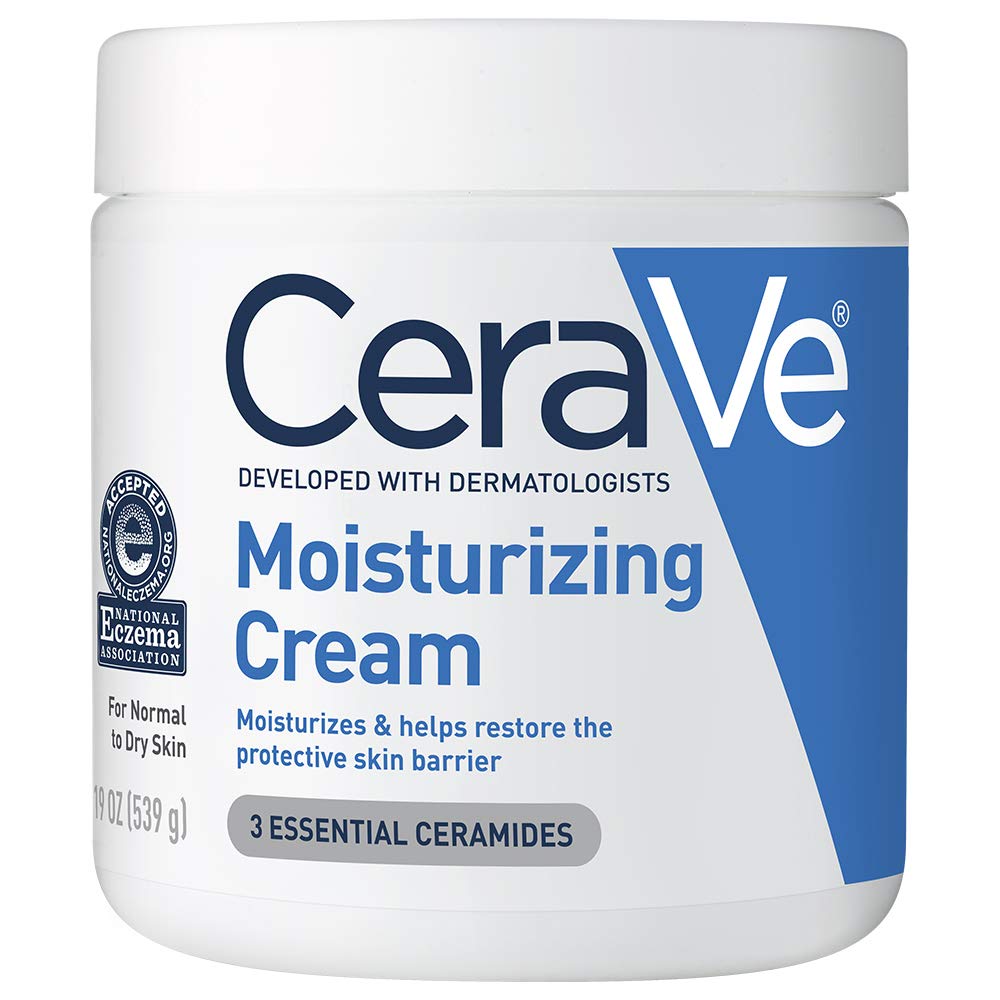
Best Moisturizer: CeraVe Moisturizing Cream
CeraVe Moisturizing Cream is the gold standard for dry skin, and it's not even close. Three essential ceramides (1, 3, 6-II) directly replenish the lipids your barrier is missing. Hyaluronic acid pulls moisture into the skin. MVE Technology releases these ingredients gradually over 24 hours.
The 19oz tub costs about $16 and lasts 2-3 months with daily face and body use. Compare that to boutique moisturizers charging $60 for 1.7oz with inferior ingredient lists. The value is absurd.
It's fragrance-free, non-comedogenic, and developed with dermatologists. Works on face and body. The texture is rich but absorbs without feeling greasy — apply on slightly damp skin for maximum absorption.
Building a Simple Dry Skin Routine
You need exactly three products: a gentle cleanser, a moisturizer, and sunscreen. That's it. The skincare industry wants you to believe you need 10 steps. You don't.
Morning: splash with water (or gentle cleanser if oily overnight), apply CeraVe Moisturizing Cream on damp skin, apply SPF 30+ sunscreen. Total time: 2 minutes.
Evening: gentle cleanser to remove sunscreen and dirt, apply CeraVe Moisturizing Cream on damp skin. If skin is very dry, layer a thin coat of Vaseline (plain petrolatum) on top — this is called "slugging" and it locks in all the moisture overnight.
Do this consistently for 4 weeks before adding any other products. Most "skincare routines" fail because people add too many active ingredients too fast and destroy their already-compromised barrier.
Ingredients That Help vs Ingredients That Hurt
Help: ceramides (barrier repair), hyaluronic acid (humectant), glycerin (humectant), squalane (emollient), petrolatum (occlusive), niacinamide (barrier support). These are the workhorses of dry skin care.
Hurt: alcohol denat (drying), fragrance (irritating), sulfates like SLS (strip barrier), high-concentration retinol on already-dry skin (increases TEWL), physical scrubs (micro-tears in compromised skin).
The biggest trap: "hydrating" products with alcohol or fragrance high on the ingredient list. Marketing says hydrating; the formula says otherwise. Always check ingredients, not claims.
Frequently Asked Questions
Is CeraVe really as good as dermatologists say?
Yes. CeraVe's ceramide-based formula directly addresses the root cause of dry skin (barrier damage) rather than just temporarily moisturizing. It's not marketing hype — the ingredient list backs it up. It's also affordable and widely available.
How often should I moisturize dry skin?
Twice daily minimum — morning and night. Apply on slightly damp skin (within 60 seconds of washing) to trap moisture. In winter or very dry climates, you may need a midday reapplication on the face or extra-dry body areas.
Can drinking more water fix dry skin?
Not really. Severe dehydration can worsen skin dryness, but most people's dry skin is a barrier issue, not a hydration issue. You could drink a gallon a day and still have dry skin if your moisture barrier is damaged. Topical treatment is what works.
Should I use a face oil for dry skin?
Face oils can help as an additional occlusive layer, but they don't replace a ceramide-based moisturizer. Oils sit on top of skin and prevent water loss, but they don't attract water or repair the barrier. Use them on top of moisturizer, not instead of it.
What's the difference between dry skin and dehydrated skin?
Dry skin lacks oil (lipids) — it's a skin type. Dehydrated skin lacks water — it's a condition any skin type can have. Oily skin can be dehydrated. The treatment differs: dry skin needs ceramides and emollients, dehydrated skin needs humectants like hyaluronic acid. CeraVe addresses both.